Document reader
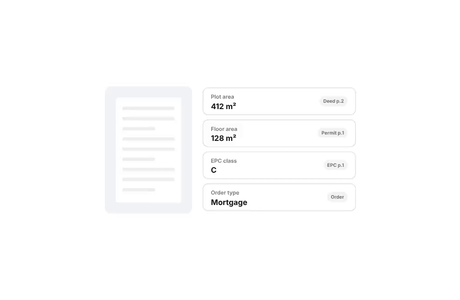
At intake. Reads deeds, permits, EPCs and the order, pre-fills the case with each field linked to its source page, and flags mismatches between documents. The appraiser confirms every item.
AI where appraisers and reviewers spend their time, and a person always decides.
Book a working sessionEach assistant’s output appears on the screen where the person already works. You switch each one on only after it passes a test on your own cases.
At intake. Reads deeds, permits, EPCs and the order, pre-fills the case with each field linked to its source page, and flags mismatches between documents. The appraiser confirms every item.
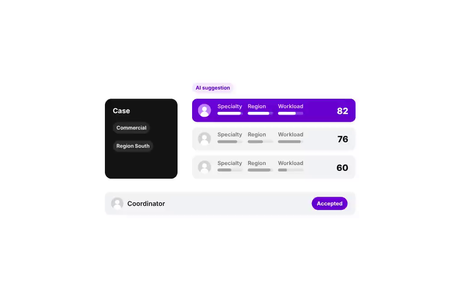
At assignment. Ranks eligible appraisers and firms by speciality, region and workload.
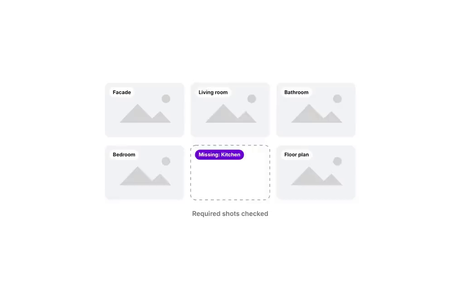
At inspection. Sorts inspection photos and flags missing required shots.
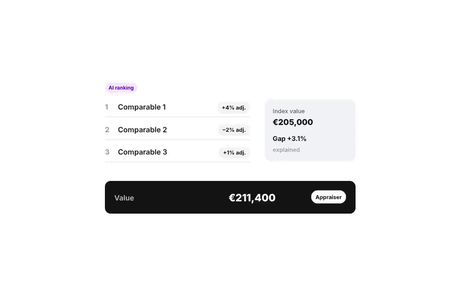
At valuation. Ranks comparables, proposes adjustments and explains any gap to the index value. The value stays the appraiser’s.
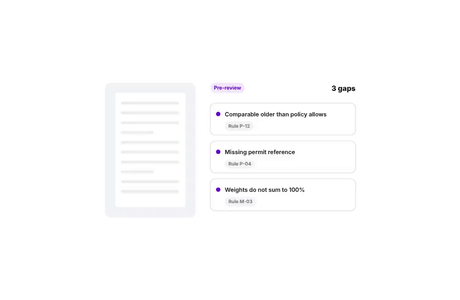
At review. Checks the report against policy and method rules and lists the gaps, each citing its rule.
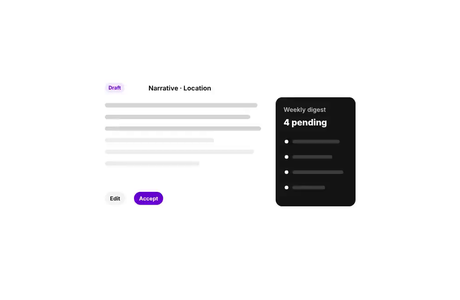
At reporting. Drafts narrative sections and a digest of each appraiser’s open items.
Each question, answer, model version and cost is stored and reviewable in your environment, and a failed run keeps the last good result.
From the INDEV model on your own GPUs to Azure OpenAI or your own AI platform. The provider is changed in configuration and tested before use.
A prompt or model change goes live only after passing a test on your own cases.
An INDEV-trained model on your own GPUs, or shared on an INDEV installation, with predictable running costs.
The same four rules apply to every assistant.
Each assistant fills a structured result. No open chat, no prompts to write.
Criteria and instructions are settings, with a full history of every change.
The AI proposes. The appraiser or reviewer accepts, edits or rejects.
Runs only when a case changes, not every time a page is viewed.